Blog

Harvest at The Sauce Plot

Last week at the Sauce Plot we learned a bit about how our bodies process the food we eat, then we created an art project incorporating all of our favorite foods. They work was fun- pieces ranged from foods like “choclit ice crem” to carrots.

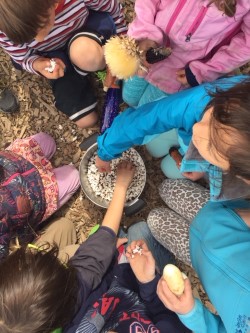
Mark needed to harvest honey for the market- so the Sauce Plot kids got to partake in a special & sweet harvest! I think that this photo pretty well sums up the later half of the evening.

YUM!

Comments are closed

Photos from our ESL Nutrition Program

Pickle class!Courtney reading with pre-schoolers while their parents participate in the nutrition program.


Comments are closed

Our KPP Fundraising Dinner

On August 29th we worked with Kids’ Pasta Project to host a fundraising dinner for the Sauce Plot. Funds raised will be used to purchase a freezer to store our homegrown tomatoes for the winter that will be used in future dinners!

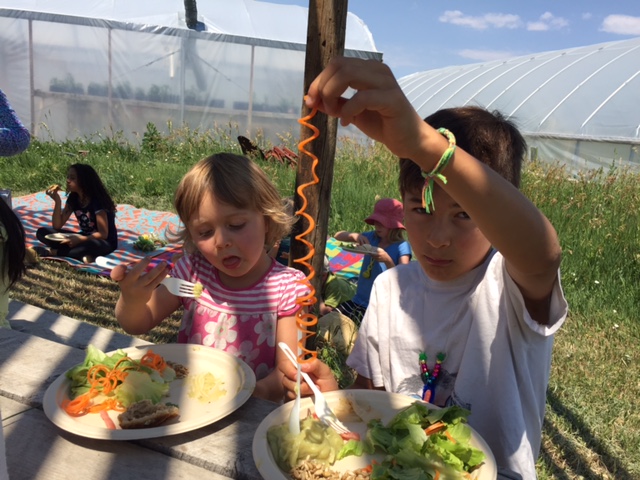
We served a non-traditional meal; all organically grown vegetable kabobs, quinoa, beet-chevre-walnut salad, green beans, sweet corn, and hand made chevre ravioli!

We sold over 40 meals, and raised enough money to purchase our

Beets - just out of the Sauce Plot!Volunteers prepping the beets for dinner.

freezer. I brought in the first tomato harvest last week and we’re off to a good start… about 10 gallons. There are still hundreds of pounds out in the field just starting to ripen up!

The first big tomato harvest.

Thank you to everyone who helped out with the dinner, Thistle Whistle for donating vegetables and Avalanche Cheese for the chevre!

Comments are closed

beef?

A link to more local happenings.

Where’s the Beef?

September 4th, 2011 by submitted

Filed under CommunityFeaturedFood and Wine

Eating Locally in the North Fork Valley Schools

As students are getting ready for the new school year, behind the scenes the cafeteria “lunch ladies” are preparing for another phase of the Harvest Lunch Project – serving only local beef.

Elaine Brett of the Western Colorado Food & Ag Council (WCFAC) said, “The idea started as I was driving home from Delta on Highway 92 after a meeting at the School District office. I began counting cows. I asked myself, with all of the cattle in Delta County, why are our school children eating less expensive meat from the Midwest? Why shouldn’t our kids have the benefit of locally grown, healthy, natural beef? Why shouldn’t we support our local ranchers and processors by buying from them?”

The answer was “cost.” School food service budgets are very tight and often cannot afford to purchase premium quality ingredients. The schools do the best they can and, in Delta County, the cafeterias do an exceptional job of baking breads and making lunches “from scratch.”

The cost of meat, however, can be a real “showstopper.” Institutional meat products can cost significantly less and as every homemaker knows, trying to stretch a food budget often means making some sacrifices.

WCFAC and other local organizations wanted to remove the cost barrier and committed to the School District that they would raise funds to offset the cost of local food. In the past year, grants and donations have been obtained from The Paonia Rotary, The Cocker Kids Foundation, The Kampe Foundation, Slow Food Western Slope, the Kids Pasta Project and individuals for the North Fork Harvest Lunch Project.

According to Brett, “We met with Rhonda Vincent, Director of Food Services for Delta County and Dale Dexter and Cal Campbell from Homestead Ranches. We worked out a plan that is a win-win for everyone. The children get to eat a premium, nutritious product; the schools get to maintain their budget; the local ranchers get a reasonable price for their beef.”

Why Homestead Ranches? 
Colorado Homestead Ranches (CHR) is composed of six family ranches that are committed to bringing the public quality all natural beef that are finished locally without additional growth hormones or antibiotics. The cattle are bred, born, and raised on family owned and operated ranches. When each animal is properly finished, it is humanely shipped to Homestead’s USDA inspected processing plant, Homestead Meats. To ensure tenderness, the beef is aged on the rail for 14 days, a time honored practice rarely used in todays hurried world.

What are the benefits of local beef?
North Fork Valley students will experience locally grown beef with better taste and superb nutrition.

Homestead processes one locally-raised animal at a time in a clean facility we can visit in Delta. Parents and students can be assured where their meat comes from and that it is handled by friends and neighbors who are interested in the well-being of our community.

Finally, buying locally is good for our local economy. It provides local jobs and keeps our dollars circulating in the community instead of leaking out to big corporations.

For other information, or to find out how you can assist the Harvest Lunch Project, contact wcfoodandag@gmail.com

Comments are closed

ESL Nutrition Program Highlights

The 2011 ESL Nutrition Program at Thistle Whistle is wrapping up next week. We covered a lot of material, both in and out of the garden. The group has come out to visit, learn and work on the farm ten times since May. Group size has varied from 43 to 11 individuals. Chrys has be a thoughtful and thorough nutrition teacher, bringing many ideas and healthy alternatives to the group. The fresh fruit sorbet being a favorite… yum! Before the participants leave the farm, they receive a bag of organic farm-grown produce to feed their families. To read more about the program, click on our “new press” blog post.  Here are couple of photos to show how far we’ve come over the course of the season!

ESL group transplanting in May


Comments are closed

Weed & Feed Gatherings a Success!

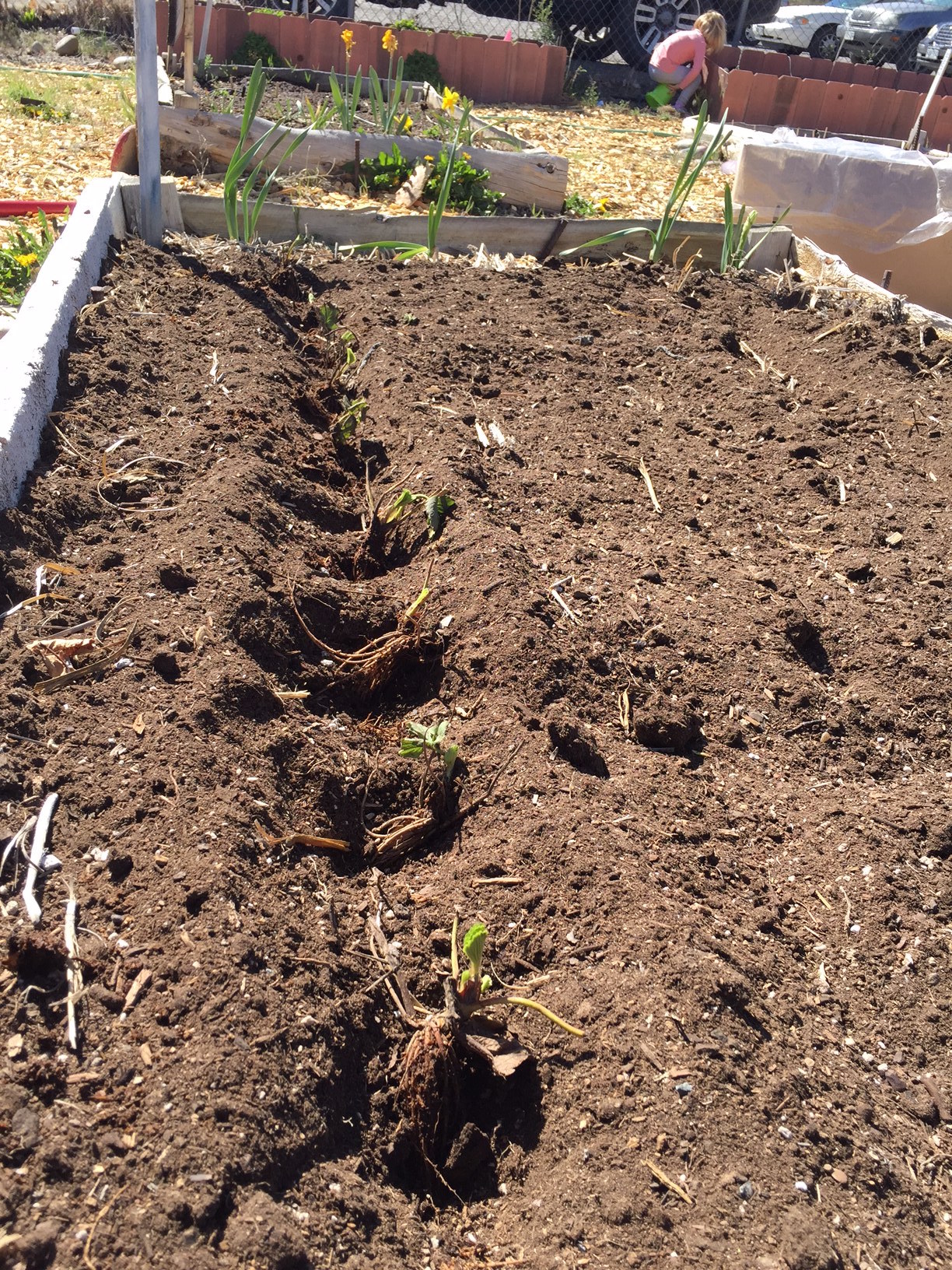
Once a week through the month of August several families gathered at Thistle Whistle farm to work in the Sauce Plot. We weeded onions, melons, raspberries, tomatoes, and more tomatoes! Along with weeding we plucked several pounds of tomato horn worms off of our plants. It was interesting to see the children’s (and parent’s) reaction to these beastie insects. They ranged in color from bright green to near-black. Our interns did a fabulous job feeding our weeders delicious farm grown food. Thank you Wesley and Margaret!

Some of our helpers with cucumbers, melon, and a captive horn worm!

Comments are closed

new press!

this is the new press!

Comments are closed

Farm Pizzas

Boys working with whole wheat dough

Last week in our Nutrition and Literacy Program we made farm pizzas. The participants started with whole wheat berries, milled the flour and made the dough. While the dough was rising the groups harvested and processed herbs, summer squash and garlic for the toppings.  In true farm fashion, we baked several of the pies on the stovetop in a cast iron skillet. After a few minutes we were enjoying some of the best pizza I’ve ever had. Although some of the kids did notice a difference in the taste from fast food pizza that they are used to and missed the sugar. But it’s a start!

Next week… fresh fruit sorbets!


Comments are closed

Ecology Day 2011

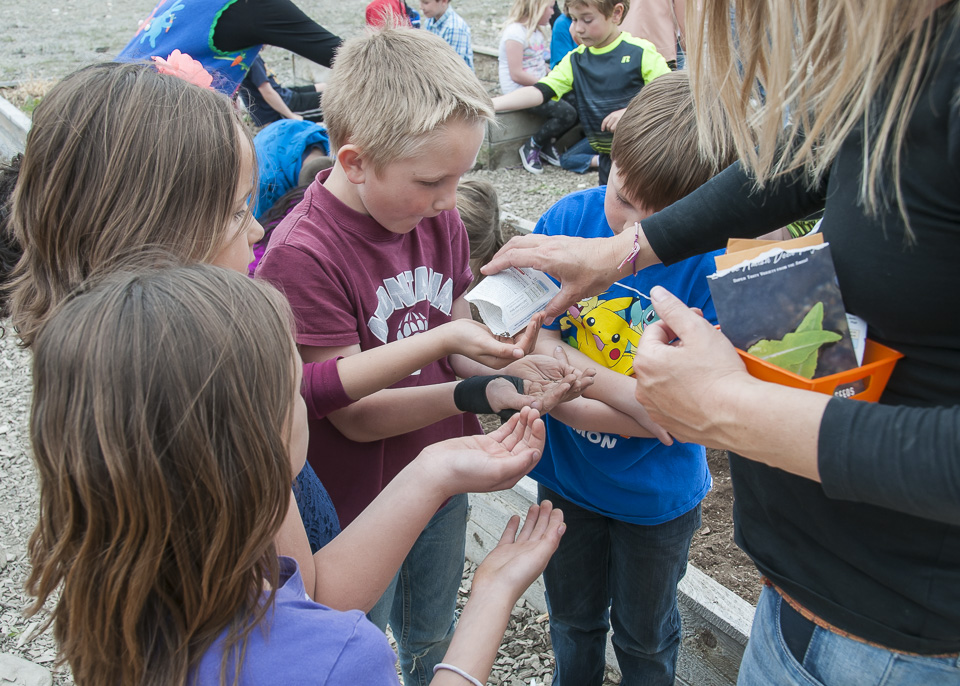
Discussing chicken biology with the Hotchkiss 3rd graders.


Comments are closed

Welcome to our new website

header-2

More information coming soon!

Comments are closed
« Page 1, 2, 3 ... 6, »